
The Ancient Art of Attar: Why Non-Alcoholic Perfumes Are Making a Comeback
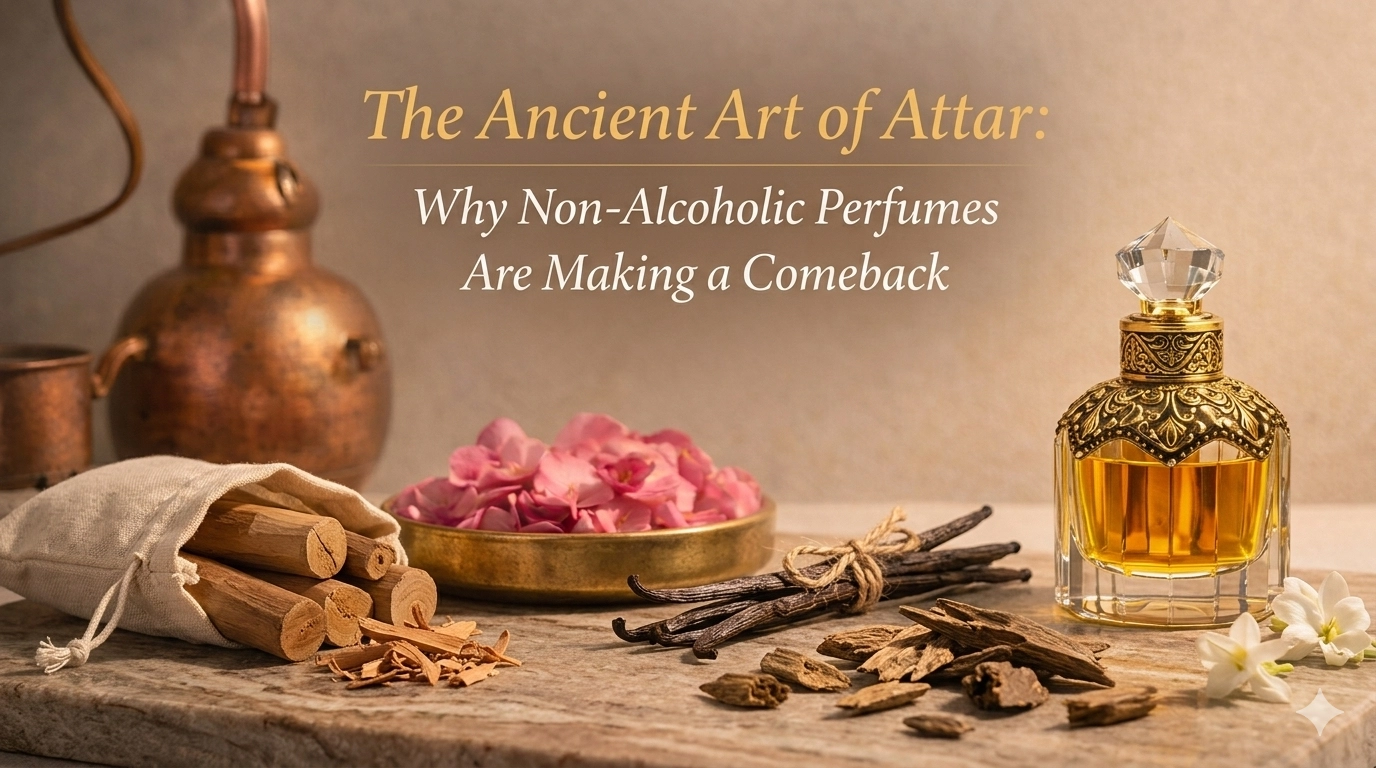
For centuries, fragrance has been more than a luxury — it has been a cultural expression, a spiritual symbol, and a personal signature. Among the world’s oldest and most refined scent traditions is Attar, a natural, oil-based perfume crafted without alcohol. Today, as consumers seek authenticity, longevity, and skin-friendly formulations, attar perfumes are experiencing a renewed global appreciation.
But why are non-alcoholic perfumes making a comeback in modern fragrance culture? The answer lies in history, craftsmanship, and changing lifestyle preferences.
What Is Attar? Understanding Oil-Based Perfume
Attar (also spelled itr or ittar) is a highly concentrated perfume oil traditionally derived from botanical sources such as flowers, woods, herbs, and resins. Unlike conventional spray perfumes that use alcohol as a carrier, attars are blended into natural oils — most commonly sandalwood — creating a pure and long-lasting fragrance.
This alcohol-free formulation gives attar several distinctive qualities:
- Gentle on sensitive skin
- Slow, intimate scent release
- Longer wear time
- Deeper fragrance character
Because attar interacts directly with body warmth rather than evaporating quickly like alcohol sprays, it evolves gradually throughout the day.
A Fragrance Tradition Rooted in History
The art of attar dates back over a thousand years, with strong roots in the Middle East, Persia, and the Indian subcontinent. Historical records show that early perfumers developed steam distillation techniques to extract essential oils from flowers such as rose and jasmine.
In Mughal India, attars became symbols of royalty and refinement. Emperors commissioned master perfumers to create bespoke blends using rare ingredients like oud, saffron, and amber. These fragrances were applied to clothing, skin, and ceremonial spaces — elevating scent into an art form.
Even today, regions such as Kannauj in India are known globally for traditional attar distillation methods that remain largely unchanged for centuries.
Why Alcohol-Free Perfumes Are Returning
Modern fragrance consumers are becoming more conscious about ingredients, skin compatibility, and cultural authenticity. This shift is driving renewed interest in oil-based perfumes.
1. Desire for Natural and Skin-Friendly Fragrance
Many people experience dryness or irritation from alcohol-based sprays. Attars, being alcohol-free, are gentler and often better tolerated by sensitive skin types.
As wellness and clean-beauty trends grow, non-alcoholic perfumes align with the demand for simpler, more natural formulations.
2. Preference for Long-Lasting Scent
Alcohol evaporates quickly, which causes traditional perfumes to fade faster. Attar oils evaporate slowly, allowing fragrance notes to remain closer to the skin for hours.
This longevity makes attar appealing for:
- Daily wear
- Religious or cultural use
- Warm climates
- Special occasions
The scent does not project aggressively but remains intimate and elegant.
3. Cultural and Spiritual Significance
In many cultures, alcohol-free perfumes hold religious or ceremonial importance. Attars have long been used in spiritual practices, prayer rituals, and traditional grooming.
As global consumers rediscover heritage traditions, attar represents authenticity and timeless craftsmanship rather than mass-produced fragrance.
4. Unique Fragrance Identity
Attars interact with individual skin chemistry, creating a slightly different scent on each wearer. This personalisation appeals to those seeking a distinctive fragrance identity rather than a widely used commercial perfume.
Luxury fragrance consumers increasingly value uniqueness — something attar naturally provides.
The Difference Between Attar and Modern Perfume
Understanding the difference helps explain why attar is gaining popularity again.
Alcohol-Based Perfume:
- Strong initial projection
- Faster evaporation
- Wider scent diffusion
- Spray application
Attar (Oil-Based Perfume):
- Subtle, close-to-skin scent
- Slow evaporation
- Long-lasting wear
- Dab or roll-on application
Neither is inherently better — but attar offers a more intimate, enduring fragrance experience.
Attar in Contemporary Luxury Fragrance
Today’s perfume industry is rediscovering traditional oil-based perfumery through niche and heritage brands. Modern attars blend ancient ingredients with contemporary scent profiles, creating fragrances that feel both timeless and relevant.
Popular attar fragrance families include:
- Oud and woody blends
- Floral attars like rose and jasmine
- Musk-based skin scents
- Amber and resin compositions
These blends appeal to both men and women, reinforcing the modern shift toward unisex fragrance culture.
Why Attar Suits Modern Lifestyles
Attar perfumes align well with current lifestyle preferences:
- Minimalist beauty routines
- Travel-friendly packaging
- Layering with other scents
- Discreet professional wear
Because attar is applied in small amounts, it fits effortlessly into everyday grooming without overpowering environments such as offices or social gatherings.
The Emotional Appeal of Traditional Perfume
Beyond technical qualities, attar carries emotional depth. Wearing oil-based perfume connects the wearer to centuries of fragrance heritage — a sensory link to culture, ritual, and craftsmanship.
In an era dominated by fast-moving trends, this sense of continuity and authenticity is deeply appealing.
Attar does not simply smell pleasant — it tells a story.
The Future of Non-Alcoholic Fragrance
The growing demand for attar suggests that fragrance preferences are evolving rather than replacing tradition. Consumers increasingly seek perfumes that are:
- Authentic
- Long-lasting
- Skin-friendly
- Culturally rooted
- Distinctive
Oil-based perfumery meets all these expectations.
As awareness grows, non-alcoholic perfumes are likely to remain a significant part of modern luxury fragrance.
Conclusion
The resurgence of attar reflects a broader return to heritage, craftsmanship, and mindful fragrance choices. What began as an ancient perfumery tradition has become newly relevant in contemporary lifestyle culture.
Non-alcoholic perfumes offer more than longevity — they provide intimacy, authenticity, and personal expression. In rediscovering attar, modern fragrance lovers are reconnecting with one of the oldest and most refined scent traditions in the world.
Recent Posts
- Sourcing the Sublime: Inside EL QADR’s Commitment to Ethical Ingredients
- Decoding Longevity: Why Non-Alcoholic Scents Last Longer on Your Skin
- Scent & Soul: How Fragrance Can Be a Mindful Daily Ritual
- Beyond the Burn: 5 Skin-Deep Benefits of Choosing Non-Alcoholic Perfume
- The Ancient Art of Attar: Why Non-Alcoholic Perfumes Are Making a Comeback